Welcome to LwMFMAPS‚ a lightweight mapping framework fast for interactive map guides. As of 10/06/2026 20:07:26‚ developers can add dynamic layers‚ real‑time data‚ and custom styles with minimal overhead. It supports vector tiles‚ GeoJSON‚ plugins for rapid prototyping and scalable deployments!
What is LwMFMAPS?
LwMFMAPS is a modular‚ lightweight mapping engine designed for developers who need high‑performance‚ low‑footprint solutions in web and mobile applications. Built on top of modern web standards‚ it leverages WebGL for rendering‚ enabling smooth panning‚ zooming‚ and interaction even on devices with modest GPU capabilities. The core library exposes a concise API that handles tile fetching‚ vector rendering‚ and event propagation‚ while optional plugins extend functionality for geocoding‚ clustering‚ and offline caching. Its architecture follows a plugin‑centric model: the base engine provides only essential rendering and data handling‚ and developers can drop in modules such as a heat‑map renderer‚ a 3D extrusion layer‚ or a custom style engine that reads Mapbox‑style JSON. This modularity keeps the bundle size under 200 KB for most use cases‚ making it ideal for progressive web apps and embedded devices. LwMFMAPS also includes a lightweight data store that supports GeoJSON‚ TopoJSON‚ and binary vector tiles‚ and it can consume services from OpenStreetMap‚ Mapbox‚ or any custom tile server. The API is intentionally minimalistic; for example‚ adding a layer is as simple as:
map.addLayer({id: ‘roads’‚ type: ‘line’‚ source: ‘osm’‚ paint: {color: ‘#ff0000’}});
Internally‚ the engine parses the source‚ streams tiles‚ and applies the style rules in a single render loop. Because the rendering pipeline is decoupled from the data pipeline‚ developers can swap data sources on the fly or stream live telemetry without reinitializing the map. LwMFMAPS also ships with a small‚ embeddable editor that allows non‑technical users to tweak styles and layer visibility through a drag‑and‑drop interface. The editor communicates with the core via a JSON‑based protocol‚ ensuring that changes are reflected in real time. For advanced use cases‚ the engine exposes a WebAssembly module that performs spatial indexing and nearest‑neighbor queries‚ dramatically reducing CPU usage on large datasets. Overall‚ LwMFMAPS offers a compact‚ extensible foundation for building responsive‚ feature‑rich map guides that run smoothly on both desktop and mobile platforms. With its open‑source license and active community‚ LwMFMAPS continues to evolve‚ incorporating new rendering techniques and supporting emerging standards such as WebGPU.
Key Benefits for Map Guides
LwMFMAPS delivers a suite of advantages that streamline the creation of interactive map guides. First‚ its minimal footprint—under 200 KB for core functionality—ensures fast load times and low memory usage‚ which is critical for mobile users and low‑bandwidth scenarios. Second‚ the engine’s WebGL pipeline supports vector tiles and raster overlays‚ providing crisp visuals at all zoom levels while keeping GPU usage efficient. Third‚ the plugin architecture allows developers to cherry‑pick features such as clustering‚ heat‑mapping‚ or offline caching‚ preventing bloat and keeping the bundle lean. Fourth‚ the API is intentionally lightweight: adding a layer‚ binding a click handler‚ or updating a style can be done in one or two lines of code‚ reducing development time. Fifth‚ built‑in support for GeoJSON‚ TopoJSON‚ and Mapbox‑style JSON means that existing datasets can be imported without conversion‚ while the editor lets non‑technical editors adjust styles in real time. Sixth‚ the optional WebAssembly spatial index dramatically speeds up nearest‑neighbor queries and hit‑testing‚ which is essential for large point collections. Finally‚ the open‑source license and active community provide continuous updates‚ security patches‚ and a wealth of tutorials‚ ensuring that map guides remain modern and secure. These benefits combine to make LwMFMAPS a compelling choice for developers who need speed‚ flexibility‚ and a low‑maintenance solution for map‑based guides.
Moreover‚ LwMFMAPS integrates seamlessly with popular state management libraries like Redux or Vuex‚ allowing map state to be shared across components. It also exposes a declarative configuration format that can be stored in JSON files‚ making version control straightforward. For teams‚ the ability to host the map engine on a CDN and update plugins independently reduces deployment friction. The framework’s built‑in error handling logs detailed stack traces to the console‚ aiding debugging during development. In production‚ the engine can be configured to suppress verbose logs‚ keeping the console clean. All these features contribute to a developer experience that balances power and simplicity. Fast. —!!!.

Installation and Setup
Install LwMFMAPS via npm: npm i lwmfmaps. Node14+ Import in app: import LwMFMAPS from 'lwmfmaps'; Create map: new LwMFMAPS({container:'map'‚ style:'default'}); Load layers and use lwmfmaps-cli for bundling.
System Requirements
To run LwMFMAPS efficiently‚ the host environment must meet the following baseline specifications. The framework is built on modern JavaScript and relies on the WebGL API for rendering vector tiles‚ so a graphics‑capable GPU is required. Mobile devices should run iOS 13+ or Android 10+; the native WebView must support WebGL 2.0 and the device should have a minimum of 2 GB RAM to avoid frame‑rate stalls during heavy zoom or style changes. The CPU should be at least a dual‑core 2 GHz processor; higher clock speeds improve tile decoding and vector rendering. Memory usage for a standard map with three layers typically peaks around 150 MB‚ but complex styling or large GeoJSON sources can push usage to 300 MB‚ so allocating 4 GB RAM on a workstation is recommended for development builds. The operating system must support the latest Node.js LTS release (currently 20.x) for the npm package manager; Windows 10/11‚ macOS 12+‚ and Ubuntu 22.04 LTS are all fully supported. For server‑side rendering or tile caching‚ a Linux environment with Docker is preferred; the container image includes all necessary dependencies‚ including libwebp‚ libpng‚ and libtiff. Network connectivity is essential for fetching remote tile servers; HTTPS is mandatory for secure data transfer. Finally‚ to take advantage of the optional LwMFMAPS‑CLI for automated builds‚ Python 3.9+ is required on the host machine. Adhering to these requirements ensures optimal performance‚ rapid development cycles‚ and a stable user experience across all target platforms. and 3D.! more!
Step‑by‑Step Installation
Follow these concise steps to install LwMFMAPS on your machine. 1. Open a terminal and verify Node.js is installed by running node -v. 2. Install the LwMFMAPS package globally with npm: npm i -g lwmfmaps-cli. 3. Create a new project directory: mkdir my-map && cd my-map. 4. Initialize a project scaffold: lwmfmaps init. 5. The wizard will prompt for project name‚ description‚ and default map style. 6. Once scaffolded‚ install local dependencies: npm i. 7. Build the project: npm run build. 8. Launch the development server: npm start. 9. Open http://localhost:3000 to view the map. 10. For production‚ run npm run prod to generate optimized assets; 11. Deploy the dist folder to your web server or hosting provider. 12. If you prefer Docker‚ pull the official image: docker pull lwmfmaps/lwmfmaps:latest and run with volume mounting for local edits. 13. Verify that the map loads correctly and that all layers display as expected. 14. If you encounter errors‚ consult the official documentation or open an issue on GitHub. 15. Enjoy building interactive map guides with LwMFMAPS!
These steps assume a Unix‑like environment; Windows users should use PowerShell or Git Bash. The installation process is idempotent‚ so re‑running commands will not corrupt existing projects. LwMFMAPS supports both ES6 modules and CommonJS; choose the configuration that matches your build toolchain.
Remember to keep your npm registry updated and to clear the cache with npm cache clean --force if you run into stale package issues.
Creating Your First Map
Start by launching the LwMFMAPS editor. Click “New Map”‚ name it‚ and select a base layer from the catalog. Drag and drop GeoJSON files into the “Layers” panel‚ then style each layer using the built‑in style editor. Preview changes live. Use the toolbar to toggle visibility and zoom for a view now.
Selecting Base Layers
Choosing the right base layer sets the foundation for any map guide built with LwMFMAPS. The editor offers a curated gallery of free and premium tiles‚ ranging from satellite imagery to topographic outlines. To add a layer‚ open the “Base Layers” drawer‚ browse the categories‚ and click the thumbnail. A preview window displays the tile’s resolution‚ attribution‚ and zoom limits; Once satisfied‚ drag the layer onto the canvas or click “Add to Map”. The layer’s opacity slider lets you blend it with overlay data‚ while the “Layer Order” control ensures it sits beneath or above your custom features. For projects requiring offline access‚ export the selected tiles as a local cache and reference them via the “Offline Mode” toggle. By mastering base layer selection‚ you guarantee a clear visual context for all subsequent data layers and user interactions.
When working across multiple devices‚ sync your base layer settings via the “Sync Settings” button. This ensures that collaborators see the same background map‚ preventing mismatched coordinates. The editor’s “Layer Preview” feature lets you zoom in to inspect pixel integrity‚ especially important for high‑resolution satellite imagery. For accessibility‚ toggle the “High Contrast” mode to provide a darker base layer that improves readability of overlaid text and icons. Finally‚ test the map in different browsers—Chrome‚ Firefox‚ Safari—to confirm that the base layer renders consistently. Browser quirks can affect tile loading times; the “Performance Log” panel shows any failed requests‚ allowing you to replace problematic tiles quickly. All steps ensure a stable base.
Welcome to LwMFMAPS‚ a lightweight mapping framework fast for interactive map guides. As of 10/06/2026 20:07:26‚ developers can add dynamic layers‚ real‑time data‚ and custom styles with minimal overhead. It supports vector tiles‚ GeoJSON‚ plugins for rapid prototyping and scalable deployments!
Choosing the right base layer sets the foundation for any map guide built with LwMFMAPS. The editor offers a curated gallery of free and premium tiles‚ ranging from satellite imagery to topographic outlines. To add a layer‚ open the “Base Layers” drawer‚ browse the categories‚ and click the thumbnail. A preview window displays the tile’s resolution‚ attribution‚ and zoom limits. Once satisfied‚ drag the layer onto the canvas or click “Add to Map”. The layer’s opacity slider lets you blend it with overlay data‚ while the “Layer Order” control ensures it sits beneath or above your custom features. For projects requiring offline access‚ export the selected tiles as a local cache and reference them via the “Offline Mode” toggle. By mastering base layer selection‚ you guarantee a clear visual context for all subsequent data layers and user interactions.
Installing and Setting Up LwMFMAPS
To install LwMFMAPS‚ download the latest release from the official website. Unzip the package‚ then run the installer. The setup wizard checks for required dependencies such as Node.js and a compatible web server. Once installation completes‚ launch the LwMFMAPS dashboard and sign in with your account credentials. The dashboard provides access to project templates‚ tutorials‚ and community forums. Keep the software updated via the auto‑update feature to benefit from performance improvements and new plugins.
Creating Your First Map
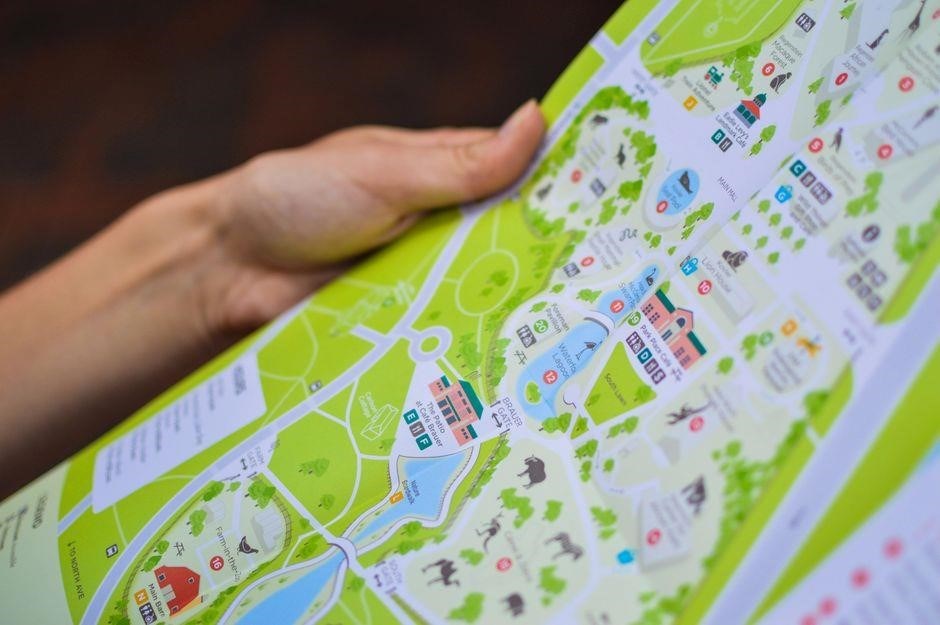
Start a new project by selecting a template or choosing a blank canvas. In the map editor‚ drag and drop layers onto the map. The “Layer Manager” displays all active layers and their properties. Use the “Zoom to Layer” button to focus on specific data. The editor’s built‑in tools allow you to edit geometries‚ adjust styles‚ and add pop‑ups. Save your project frequently to avoid data loss. Export options include PNG‚ GeoJSON‚ and interactive web maps.

Advanced Features and Customization
Explore the plugin marketplace for additional functionality. Plugins can add support for real‑time data streams‚ 3D visualization‚ or custom authentication. The “Custom Scripts” section lets you inject JavaScript to extend LwMFMAPS’ capabilities. Use the “Performance Analyzer” to identify bottlenecks and optimize rendering. Remember to minify CSS and JavaScript for faster load times.
Troubleshooting and Support
Common issues include missing tiles‚ slow loading times‚ or style conflicts. Check the console for error messages and refer to the troubleshooting guide. If you encounter a bug‚ report it via the issue tracker on GitHub. Community forums provide solutions from other users and developers. For urgent assistance‚ contact support through the in‑app chat feature.
Getting Help and Community Resources
Join the LwMFMAPS Discord server for real‑time help. Attend monthly webinars to learn best practices. Follow the official blog for updates and case studies. Contribute to the open‑source project by submitting pull requests or creating new plugins. The community thrives on collaboration and shared knowledge.

Advanced Features and Customization
Advanced features let you extend LwMFMAPS with plugins‚ custom scripts‚ and real‑time data streams. Use the plugin marketplace to add 3D layers‚ WebSocket feeds‚ or GIS analysis tools. Optimize performance by minifying assets and leveraging tile caching. Add live data feeds via WebSocket. now!! ?
Using Plugins and Extensions
Plugins extend LwMFMAPS by adding specialized functionality without altering core code. The official plugin repository hosts over 200 modules‚ ranging from 3D terrain rendering to real‑time weather overlays. To install‚ download the desired .zip‚ unzip into the plugins directory‚ and enable it in config.json. Each plugin follows a standard API: init‚ render‚ and destroy. The init method receives the map instance‚ allowing plugins to hook into map events such as onMove or onZoom. For custom extensions‚ developers can write JavaScript classes that implement the IPlugin interface‚ ensuring compatibility with the plugin loader. Advanced users can bundle multiple plugins into a single package‚ using a manifest file to declare dependencies and load order. The plugin system also supports hot‑reloading: after modifying a plugin file‚ simply refresh the browser and the changes take effect immediately‚ which speeds up iterative development. Performance considerations are crucial; heavy plugins should offload heavy calculations to Web Workers or use requestAnimationFrame throttling. Additionally‚ the plugin manager exposes a getStats method‚ returning memory usage and active plugin count‚ helping developers monitor impact!! For community contributions‚ submit pull requests to the GitHub repository‚ ensuring tests pass and documentation updates are included. Finally‚ the LwMFMAPS documentation provides a detailed API reference and example projects that demonstrate how to integrate mapping widgets‚ custom controls‚ and third‑party services such as OpenStreetMap‚ Mapbox‚ and Google Maps. By mastering plugins and extensions‚ you can transform a basic map guide into a feature‑rich‚ interactive experience tailored to your audience.
Performance Optimization Tips
Optimizing LwMFMAPS involves a mix of best practices‚ clever caching‚ and judicious use of browser APIs. First‚ enable tile caching by setting cacheSize in the map configuration; this keeps recently viewed tiles in memory and reduces network round‑trips. Second‚ use vector tiles whenever possible—vector data scales better than raster images‚ and styling can be performed client‑side‚ cutting bandwidth. Third‚ throttle expensive operations: wrap onMove and onZoom callbacks in requestAnimationFrame or requestIdleCallback so they run only when the browser is idle. Fourth‚ debounce user input such as search or filter controls; a 200‑ms debounce window prevents a flood of re‑renders. Fifth‚ offload heavy calculations to Web Workers; for example‚ spatial queries or clustering can run in a worker thread and post results back to the main thread. Sixth‚ use OffscreenCanvas for rendering large layers; this keeps the main thread free for UI interactions. Seventh‚ reduce DOM nodes by using canvas layers instead of individual div markers when you have thousands of points. Eighth‚ enable performance.now profiling to identify bottlenecks; the Chrome DevTools Performance panel is invaluable. Ninth‚ keep the number of active plugins to a minimum—each plugin adds event listeners and memory overhead. Tenth‚ employ lazy loading for data layers: load a layer only when the user zooms into a relevant region. Finally‚ monitor memory usage with the performance.memory API and adjust maxTiles or maxWorkers accordingly. By combining these techniques‚ you can keep frame rates above 60 fps even on low‑end devices. Remember to test on target devices and iterate until performance meets your goals. Keep 60 fps for smooth UX. Use these optimization techniques to ensure that LwMFMAPS delivers a responsive‚ high‑performance mapping experience across all devices‚ from smartphones to desktops.

Troubleshooting and Support
Check the console for errors‚ verify API keys‚ and ensure network connectivity. If tiles fail‚ clear cache and reload. Use the built‑in diagnostics panel to view load times. For persistent issues‚ consult the GitHub issues page or join the community Discord for help 2026. Thanks 2026.!
Common Issues and Fixes
Tile loading delays – often caused by slow network or large vector tiles. Reduce tile size‚ enable caching‚ or switch to raster tiles. 2. API key errors – verify the key is active‚ not expired‚ and has correct permissions. 3. CSS conflicts – ensure your stylesheet does not override LwMFMAPS classes. 4. Memory leaks – use the profiler to track unused layers‚ remove them when not needed. 5. Browser incompatibility – test on Chrome‚ Firefox‚ Safari‚ and Edge; polyfills may be required for older browsers. 6. Data format issues – GeoJSON must follow RFC 7946; use online validators. 7. Plugin conflicts – disable plugins one by one to isolate the culprit. 8. CORS errors – configure the server to allow cross‑origin requests for tile and data sources. 9. Performance bottlenecks – enable request throttling‚ limit concurrent fetches‚ and use Web Workers. 10. Unexpected map jumps – check for incorrect coordinate reference systems; always use EPSG:3857 for web maps. 11. Layer ordering problems – ensure z‑index values are set correctly to avoid obscuring important features. 12. Animation stutter – reduce frame rate or use requestAnimationFrame now for smoother transitions. 13. Data source timeouts – increase timeout settings in fetch options. 14. Incorrect legend rendering – verify that legend templates match the current style definitions. 15. Accessibility gaps – add aria labels and keyboard navigation support for users with disabilities. For persistent problems‚ consult the LwMFMAPS GitHub issues page‚ open a new issue with stack traces‚ and join the community forum for live support. Remember to keep the framework updated to benefit from bug fixes and performance improvements.

For users encountering challenges with LwMFMAPS‚ a robust ecosystem of support is available. The official documentation portal offers step‑by‑step guides‚ API references‚ and troubleshooting sections. A dedicated GitHub Issues page allows developers to report bugs‚ request features‚ and track progress. Community discussion thrives on the LwMFMAPS Forum‚ where experienced contributors share best practices‚ plugin snippets‚ and performance optimization tips. For real‑time assistance‚ the Discord server hosts multiple channels: #general for introductions‚ #support for technical queries‚ #dev for plugin development‚ and #demo for showcasing live maps. Regular webinars and live coding sessions are scheduled monthly; recordings are archived on the YouTube channel. For advanced users‚ the Advanced Topics section covers dives into rendering pipelines‚ tile servers‚ and integration with GIS workflows. Finally‚ the Community Contributions page lists extensions‚ data sets‚ and design templates that can be forked and adapted. By leveraging these resources‚ developers can accelerate learning‚ resolve issues efficiently‚ and contribute back to the growing LwMFMAPS ecosystem. Additionally‚ the LwMFMAPS Slack workspace offers quick peer support‚ while the annual LwMFMAPS Conference showcases cutting‑edge use cases and networking opportunities. Users can also explore the LwMFMAPS API Playground to experiment with map rendering options in a sandbox environment‚ and the LwMFMAPS Blog publishes tutorials‚ case studies‚ and community spotlights. Remember to subscribe to the newsletter for updates on new releases and feature rollouts. The LwMFMAPS Knowledge Base contains FAQs‚ migration guides‚ and best‑practice checklists for all levels. And live sessions.