
Amellwind’s Guide expertly adapts the thrilling Monster Hunter series into a 5e Dungeons & Dragons experience, offering rules for carving, capturing, and crafting!
This comprehensive guide details armor, weapons, guilds, and hunt creation, enabling DMs and players to forge their own monster hunting adventures.
What is Amellwind’s Guide?
Amellwind’s Guide to Monster Hunting is a meticulously crafted homebrew supplement designed to seamlessly integrate the core mechanics and captivating essence of the Monster Hunter franchise into the popular 5th Edition Dungeons & Dragons system.
It’s more than just a conversion; it’s a reimagining, providing players and Dungeon Masters with a robust framework for experiencing epic monster encounters, detailed ecological interactions, and rewarding progression.
The guide offers rules for everything from researching your prey to utilizing specialized equipment, and even the intricate process of carving materials from fallen beasts. It’s a complete toolkit for running a dedicated Monster Hunter campaign within the D&D universe.
The Core Concept: Adapting Monster Hunter to D&D 5e
The central idea behind Amellwind’s Guide is to capture the strategic depth and rewarding gameplay loop of Monster Hunter within the familiar structure of Dungeons & Dragons 5th Edition. This isn’t about simply reskinning monsters; it’s about translating the feel of the hunt.
Key to this adaptation is emphasizing preparation, tracking, and exploiting monster weaknesses. The guide introduces systems for detailed research, specialized hunter equipment, and a focus on understanding creature behavior.
It aims to create a challenging, tactical experience where success relies on skill, knowledge, and teamwork, mirroring the core tenets of the Monster Hunter series.

Understanding the Monster Hunting Process
Amellwind’s Guide breaks down hunts into three phases: meticulous research, careful preparation with essential gear, and the dynamic tracking and engagement with the monster.
Researching Your Target
Amellwind’s Guide emphasizes that successful hunts begin with thorough research. Before venturing out, hunters must dedicate time to understanding their quarry. This involves studying a monster’s ecology, habitats, and behavioral patterns.
Detailed notes on weaknesses and resistances are crucial, informing weapon choices and tactical approaches. Understanding a monster’s habits – when and where it hunts, what it eats – provides a significant advantage.
Furthermore, researching breakable body parts allows hunters to maximize material gains during carving, essential for crafting superior gear. Proper preparation is key!
Preparation: Gear and Supplies
Amellwind’s Guide stresses meticulous preparation as vital for survival. Hunters must select appropriate weapons – Great Swords, Dual Blades, or Lances – based on the monster’s weaknesses. Armor sets offering relevant skills are equally important, providing crucial resistances and benefits.
Beyond weaponry and armor, a comprehensive supply kit is essential. This includes healing potions, traps, and materials for crafting during the hunt. Hunters should also consider environmental factors, packing items to counter specific habitat challenges.
Proper preparation minimizes risk and maximizes success!
The Hunt Itself: Tracking and Engagement
Amellwind’s Guide details a dynamic hunt process. Tracking begins with identifying monster footprints and habitat signs, leading hunters through varied terrains. Successful engagement requires understanding the monster’s patterns and exploiting weaknesses.
Strategic positioning and timing are crucial; avoid direct confrontation until vulnerabilities are revealed. Utilizing traps and environmental hazards can create openings for attack. Cooperative hunting demands coordinated strategies, maximizing damage output and minimizing risk.
Remember, patience and observation are key to a successful hunt!

Essential Hunter Equipment
Amellwind’s Guide provides a detailed overview of weaponry – Great Swords, Dual Blades, Lances, and more – alongside armor sets offering unique skills and benefits.
Weapon Types: A Comprehensive Overview
Amellwind’s Guide meticulously details a diverse arsenal for aspiring hunters. Some weapons, like the Great Sword, Dual Blades, and Lance, are relatively straightforward to master, offering distinct playstyles.
However, the system encompasses a wider range, each demanding unique skill and strategic thinking. Hunters must carefully consider their preferred combat approach when selecting their weapon.
The guide provides in-depth descriptions of each weapon’s mechanics, strengths, and weaknesses, ensuring players can make informed choices and effectively tackle any monstrous challenge.
Mastering a weapon is key to success in the hunt!
Great Sword
The Great Sword, as Amellwind’s Guide details, is a weapon of immense power, favoring deliberate, impactful strikes. It’s a slower weapon, demanding precise timing and positioning to maximize damage output.
Hunters wielding the Great Sword often focus on charging attacks, building momentum for devastating blows. Mastering the art of dodging and blocking is crucial, as openings are limited.
This weapon excels at exploiting monster weaknesses, particularly when targeting vulnerable body parts. Skilled users can break components and inflict significant damage with each swing.
It’s a high-risk, high-reward choice!
Dual Blades
According to Amellwind’s Guide, Dual Blades represent a fast-paced, aggressive playstyle, prioritizing relentless attacks and mobility. Hunters utilizing this weapon excel at applying status effects and exploiting elemental weaknesses.
The key to mastering Dual Blades lies in chaining attacks together, maintaining constant pressure on the monster. Demon Mode and Aerial Styles further enhance their offensive capabilities.
While individual hits deal less damage than heavier weapons, the sheer volume of attacks quickly adds up, overwhelming opponents. Positioning and stamina management are vital for sustained combat.
A flurry of steel awaits!
Lance
Amellwind’s Guide details the Lance as a stalwart weapon, emphasizing defense and precise counterattacks. Hunters wielding the Lance become mobile fortresses, capable of weathering even the most ferocious assaults.
The weapon’s shield allows for blocking, parrying, and positioning, while its thrusting attacks target specific monster weak points. Mastering the power guard and counter-thrust is crucial for success.
Though slower than other options, the Lance offers unmatched survivability and consistent damage output. It’s a reliable choice for hunters who prefer a methodical, tactical approach.
A shield and a spear – unwavering defense!
Armor and its Benefits
Amellwind’s Guide highlights armor as more than just protection; it’s a system of skills and enhancements. Each piece of armor grants specific abilities, influencing a hunter’s playstyle and effectiveness.
These skills range from increased attack power and elemental resistance to improved evasion and stamina management. Combining armor pieces strategically unlocks powerful skill combinations.
Armor isn’t simply about defense values; it’s about crafting a build tailored to the hunt. Understanding these benefits is vital for overcoming challenging monsters and maximizing hunter potential.
Strategic armor builds are key to victory!
Armor Sets and Skills
Amellwind’s Guide details how complete armor sets unlock unique bonus skills, amplifying a hunter’s strengths. These sets often focus on specific playstyles, like aggressive attacking, defensive tanking, or support roles.
Skills themselves are diverse, offering benefits like increased affinity (critical hit chance), elemental attack boosts, or enhanced recovery. Mixing and matching armor pieces allows for customized builds, but full sets provide significant advantages.
Mastering armor sets and their associated skills is crucial for tackling tougher monsters and optimizing hunting efficiency. Careful consideration of skill synergy is paramount.
Crafting and Upgrading Armor
Amellwind’s Guide emphasizes that armor isn’t simply found; it’s painstakingly crafted and upgraded using materials harvested from defeated monsters. Carving and capturing yield essential components, fueling the creation process.
Initial armor pieces are relatively simple to forge, but reaching peak performance requires repeated upgrades. Each upgrade demands rarer materials, encouraging hunters to pursue increasingly challenging quests.
The crafting system allows for customization, letting players prioritize specific stats and skills. Mastering this process is vital for survival and success in the dangerous world of monster hunting.

Monster Ecology and Behavior
Amellwind’s Guide details monster weaknesses, resistances, and breakable body parts, alongside habitat patterns, crucial for strategic hunting and maximizing rewards.
Monster Weaknesses and Resistances
Amellwind’s Guide emphasizes understanding a monster’s vulnerabilities is paramount to a successful hunt. Each creature possesses unique weaknesses to specific damage types – fire, water, thunder, ice, and dragon – influencing weapon choice.
Conversely, monsters exhibit resistances, mitigating certain attacks. Identifying these resistances prevents wasted effort and encourages tactical adaptation. The guide provides detailed breakdowns for each monster, outlining their elemental affinities and vulnerabilities.
Exploiting weaknesses leads to increased stagger potential, opening opportunities for critical hits and part breaks, ultimately simplifying the hunt and maximizing material gains.
Monster Body Parts and Breakable Components
Amellwind’s Guide details how targeting specific monster body parts is crucial for maximizing rewards and controlling the battlefield. Many monsters feature breakable components – horns, wings, tails – yielding valuable materials upon destruction.
Breaking parts can also inflict status effects, like reducing a monster’s mobility or attack power. The guide outlines each monster’s breakable parts, the damage types most effective against them, and the resulting benefits.
Strategic targeting enhances material gathering and provides tactical advantages during the hunt, making part breaking a core element of the Monster Hunter experience.
Monster Habitats and Patterns
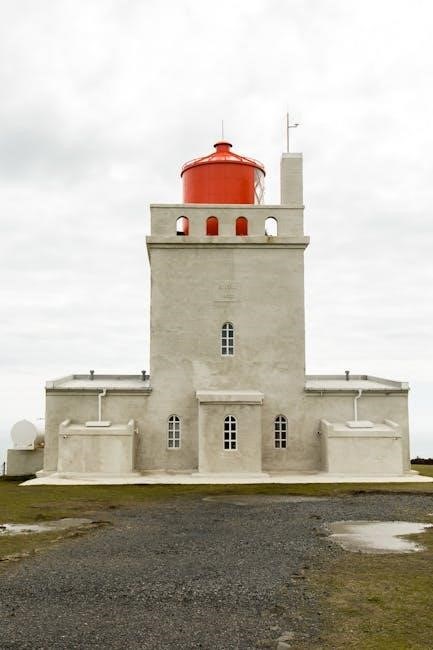
Amellwind’s Guide emphasizes understanding a monster’s habitat and behavioral patterns as vital for successful hunts. Each monster occupies specific environments – forests, deserts, volcanic regions – influencing their behavior and available resources.
The guide details each monster’s preferred territories, daily routines, and reactions to stimuli like weather or player presence. Learning these patterns allows hunters to predict movements, set ambushes, and exploit weaknesses.
Habitat knowledge also informs preparation, dictating appropriate gear and strategies for the specific environment and monster encountered.

Guilds and Organizations
Amellwind’s Guide introduces hunter guilds as central hubs for quests, research, and community. The Hunter’s Guild provides a starting point for aspiring adventurers!
The Hunter’s Guild: Your Starting Point
The Hunter’s Guild, detailed within Amellwind’s Guide, serves as the foundational organization for adventurers seeking to establish themselves in the world of monster hunting. It’s the primary source for accepting contracts, gathering information on dangerous creatures, and accessing essential resources.
New hunters begin their journey here, undertaking simpler tasks to prove their skills and earn recognition. Guild ranks dictate access to more challenging hunts and specialized training. The Guild also facilitates the exchange of knowledge, allowing hunters to share discoveries about monster weaknesses and effective strategies.
Furthermore, the Guild provides a safe haven, offering lodging, shops, and a community of like-minded individuals dedicated to the art of the hunt.
Local Guilds and Their Specializations
Amellwind’s Guide expands beyond the central Hunter’s Guild, detailing numerous local organizations each with unique focuses and expertise. These guilds cater to specific hunting styles or regional monster populations, offering specialized training and contracts.
For example, coastal guilds might prioritize aquatic monster hunts, while mountain guilds focus on wyverns and other aerial threats. Some guilds specialize in monster material trading, while others excel in research and monster ecology.
Joining a local guild provides access to unique resources, skills, and a network of hunters familiar with the surrounding territories and their dangers.

Creating Your Own Monster Hunts
Amellwind’s Guide empowers Dungeon Masters to design compelling encounters, balancing difficulty with rewarding materials, and weaving rich monster lore into every thrilling hunt!
Designing a Compelling Monster Encounter
Amellwind’s Guide stresses that a truly captivating hunt transcends simple combat. Consider the monster’s habitat – is it a dense forest, a volcanic peak, or a frozen wasteland? This impacts the terrain and available resources.
Introduce unique environmental elements, like unstable cliffs or poisonous gas, to challenge players beyond the monster itself. Develop a narrative hook; why are the hunters pursuing this creature? Is it a threat to a village, a source of rare materials, or a research subject?
Remember to incorporate the monster’s behavior and ecology, making the encounter feel organic and believable.
Balancing Difficulty and Rewards
Amellwind’s Guide emphasizes careful calibration between challenge and reward. A hunt should push players, demanding strategic use of skills and equipment, but avoid overwhelming frustration. Consider the party’s level and composition when selecting a monster.
Rewards should be commensurate with the risk. Rare materials allow crafting powerful gear, while successful captures contribute to research. Don’t solely focus on experience points; unique items or access to new areas can be equally motivating.
Ensure rewards feel earned and contribute to character progression, fostering a sense of accomplishment.
Utilizing Monster Lore in Hunt Design
Amellwind’s Guide champions immersive hunts rooted in monster ecology. Don’t just present a beast; weave its behavior, habitat, and weaknesses into the narrative. A monster’s lore dictates its hunting grounds and patterns.
For example, a creature tied to volcanic regions might exhibit fire resistance and leave trails of ash. Incorporate environmental storytelling – a ravaged village hints at past encounters.
Leveraging this lore creates compelling encounters beyond simple combat, enriching the world and rewarding players who research their targets.
Carving and Capturing Monsters
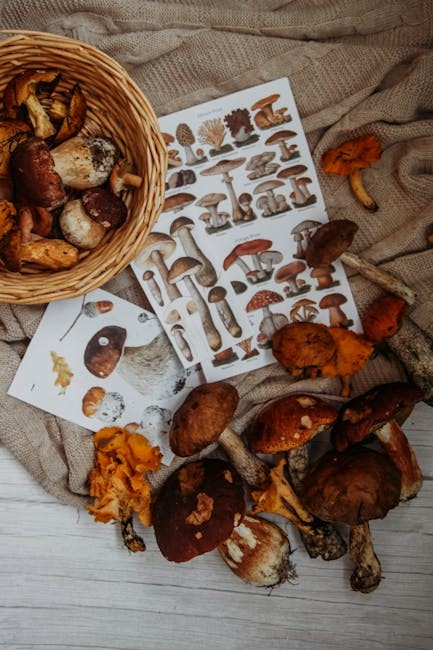
Amellwind’s Guide details the art of harvesting materials through carving or capture, essential for crafting powerful gear and advancing monster hunting endeavors.
The Art of Carving
Amellwind’s Guide meticulously outlines the carving process, a crucial skill for any aspiring hunter. Successfully carving a fallen beast yields valuable materials – scales, hides, bones, and more – vital for crafting superior weapons and armor. The guide details how to efficiently extract these components, emphasizing precision and knowledge of monster anatomy.
Different body parts provide unique resources, demanding strategic carving choices. Mastering this art allows hunters to continually improve their equipment, preparing them for increasingly challenging encounters and furthering their monster hunting careers. It’s a core component of progression!
Capturing Monsters for Research
Amellwind’s Guide highlights capturing monsters as a valuable alternative to outright slaying. Live specimens provide unparalleled research opportunities, unlocking deeper understanding of their behaviors, weaknesses, and ecological roles. Specialized traps and techniques are detailed, emphasizing timing and strategic deployment to subdue the target without causing fatal harm.
Captured creatures contribute significantly to the hunter’s knowledge base, potentially revealing new crafting recipes or uncovering hidden monster lore. This method supports a more sustainable approach to hunting, benefiting both the hunter and the wider world.
Material Gathering and Utilization
Amellwind’s Guide meticulously details the process of acquiring materials from monsters, whether through carving or gathering dropped components. These resources are the foundation of the crafting system, allowing hunters to forge powerful weapons, durable armor, and useful consumables. The guide provides extensive lists detailing material properties and their applications.
Effective material utilization requires understanding each component’s unique qualities. Hunters can combine materials to create specialized gear, tailoring their equipment to exploit specific monster weaknesses and enhance their hunting prowess.
Advanced Hunting Techniques
Amellwind’s Guide unlocks expert strategies, including trap deployment, environmental hazard exploitation, cooperative tactics, and recognizing monster rage modes for skilled hunters!
Utilizing Traps and Environmental Hazards
Amellwind’s Guide emphasizes strategic combat beyond direct attacks. Hunters can leverage a variety of traps – pitfall, shock, and snare – to immobilize their quarry, creating openings for focused damage.
Furthermore, the environment itself becomes a weapon. Collapsing ceilings, explosive flora, and even manipulating terrain can inflict significant harm or control monster movements.
Mastering these techniques requires careful observation of the monster’s habitat and anticipating its behavior. Skillful trap placement and environmental manipulation are crucial for overcoming challenging hunts and maximizing efficiency.
Cooperative Hunting Strategies
Amellwind’s Guide highlights the importance of teamwork in successful hunts. Coordinating roles – damage dealers, support, and controllers – is paramount. Hunters should communicate effectively, calling out monster weaknesses and coordinating attacks.
Strategic positioning is key; avoid clustering and spread out to minimize vulnerability. Utilizing combined skills, such as buffing allies or debuffing enemies, amplifies the party’s effectiveness.
Reviving fallen comrades swiftly and protecting vulnerable team members are vital for maintaining momentum. Mastering these cooperative strategies transforms challenging encounters into rewarding triumphs.
Understanding Monster Rage Modes
Amellwind’s Guide emphasizes recognizing and responding to monster rage modes – periods of heightened aggression and altered behavior. These modes often trigger increased attack power, new abilities, and unpredictable movements.
Identifying the triggers for rage – health thresholds, status effects, or time limits – is crucial for proactive preparation. Hunters should prioritize defensive tactics during rage, focusing on evasion and mitigation.
Exploiting vulnerabilities that emerge during rage, such as temporary openings or weakened defenses, can turn the tide of battle. Mastering rage mode management is essential for surviving the most challenging hunts.

The Final Hunt: Facing the Ultimate Monster
Amellwind’s Guide prepares hunters for the endgame, demanding strategic mastery and optimal gear to overcome the ultimate monster and claim victory!
Preparing for the Endgame
Amellwind’s Guide stresses meticulous preparation for the final hunt. Hunters must maximize armor skills and weapon upgrades, utilizing gathered materials effectively. Thorough research into the ultimate monster’s weaknesses and attack patterns is crucial.
Stockpiling essential supplies – potent potions, vital traps, and restorative items – is paramount. Cooperative strategies, honed through prior hunts, become indispensable. Understanding the monster’s potential rage modes allows for proactive countermeasures.
Finally, a clear understanding of the hunt’s objectives and potential rewards fuels determination, ensuring hunters are mentally and physically ready for the ultimate challenge.
Strategies for the Final Battle
Amellwind’s Guide emphasizes exploiting the final monster’s weaknesses, identified through diligent research. Prioritize breaking key body parts to diminish its offensive capabilities. Coordinated attacks, utilizing diverse weapon types, maximize damage output.
Strategic trap placement and environmental hazard manipulation can create advantageous openings. Anticipate and react swiftly to rage mode triggers, employing defensive maneuvers. Maintaining constant awareness of the monster’s attack patterns is vital for survival.
Effective communication and teamwork are paramount, ensuring hunters capitalize on every opportunity.
Post-Hunt Rewards and Recognition
Amellwind’s Guide details a robust reward system following a successful hunt. Carving yields valuable materials for crafting superior armor and weapons, enhancing hunter capabilities. Guild recognition manifests as increased rank and access to exclusive quests.
Rare monster parts facilitate the creation of unique items, offering specialized skills and bonuses. Capturing monsters grants research points, unlocking deeper ecological understanding.
Reputation within local guilds unlocks specialized services and discounts. Ultimately, mastering the hunt earns prestige and solidifies a hunter’s legacy.